

Exploring England’s Public Footpaths
There’s something that feels joyfully rebellious about navigating England’s public footpaths that take me through cow pastures, private farms and rustically carved out trails through the woods. Whether it’s stumbling upon a strutting peacock that’s out for a stroll from a private estate, farm eggs for sale using the honor system alongside the road or the surprise of livestock in the fields, I never tire of the new adventures that await, even along familiar footpaths.
More than 140,000 miles of public footpaths throughout England provide a public right of way through private farms, alongside rivers and through the countryside. It’s a unique way to see parts of the country you might not otherwise experience and it’s a way to deeply engage with the authentic side of England.
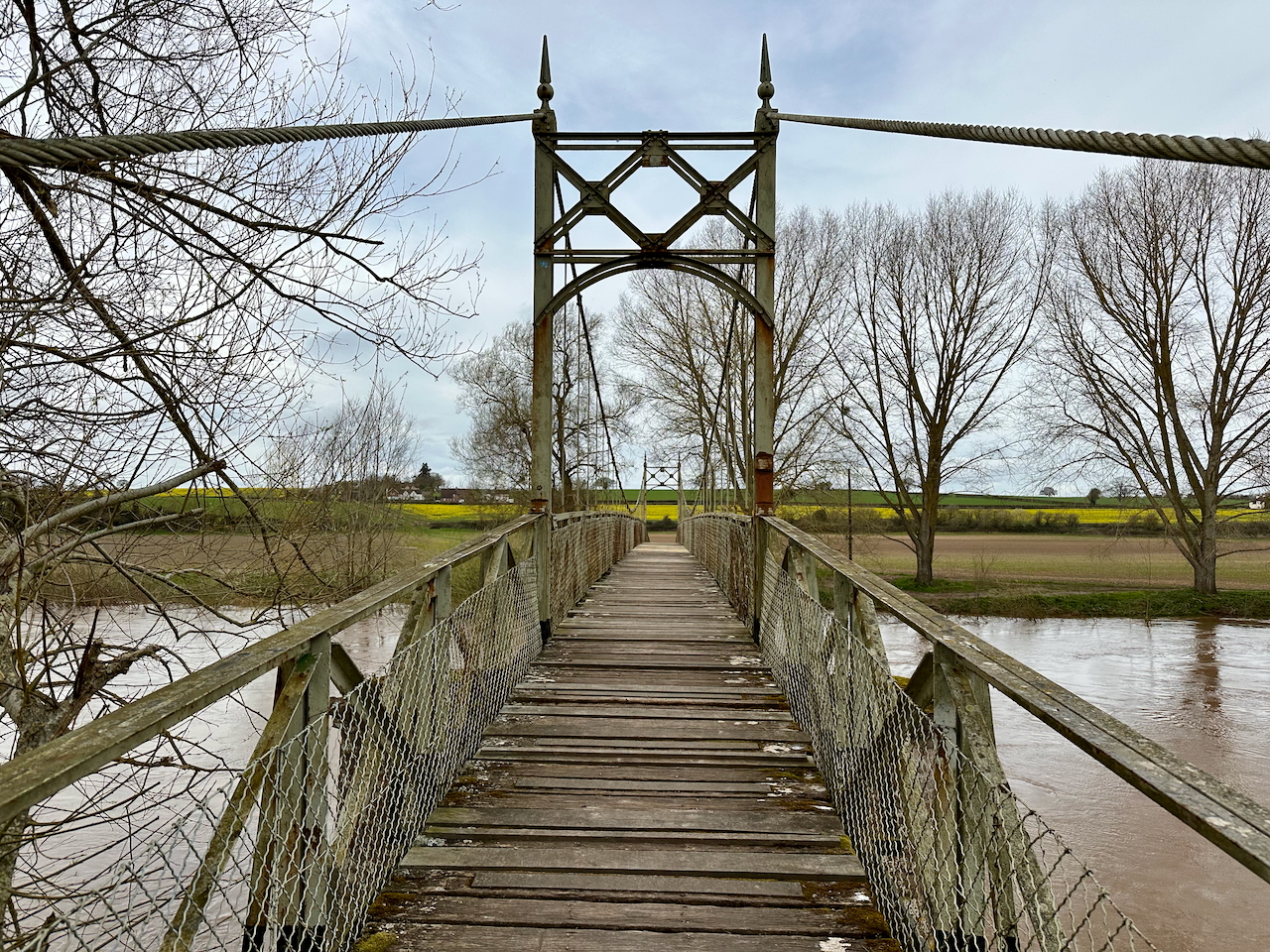
Public footpaths are not just walking trails. They are, quite literally, pieces of the past—some dating back to medieval times—stitched into the very fabric of the countryside and you never know what you might encounter.

During each new trek you might end up at the site of an ancient fort, an overlook with views to Wales in the distance, abandoned centuries-old farm buildings, thatched-roof churches from the 13th century, someone’s backyard vegetable garden or curious livestock that you must navigate (and sometimes run from) to get to the next stile or fence on the route.

My favorite way to explore the footpaths is to pack a sandwich, sunscreen and plenty of water and just walk. My routes take me 5, 8, 10 miles or more as I can’t wait to see what’s around the next turn or discover where the small bridge over a brook takes me. But this is just one way to enjoy them.
Another way to experience England’s footpaths is by planning a route so you end up in a specific village or location. It is easy to find the network of footpaths online and map out a path that meets your desired length or destination.
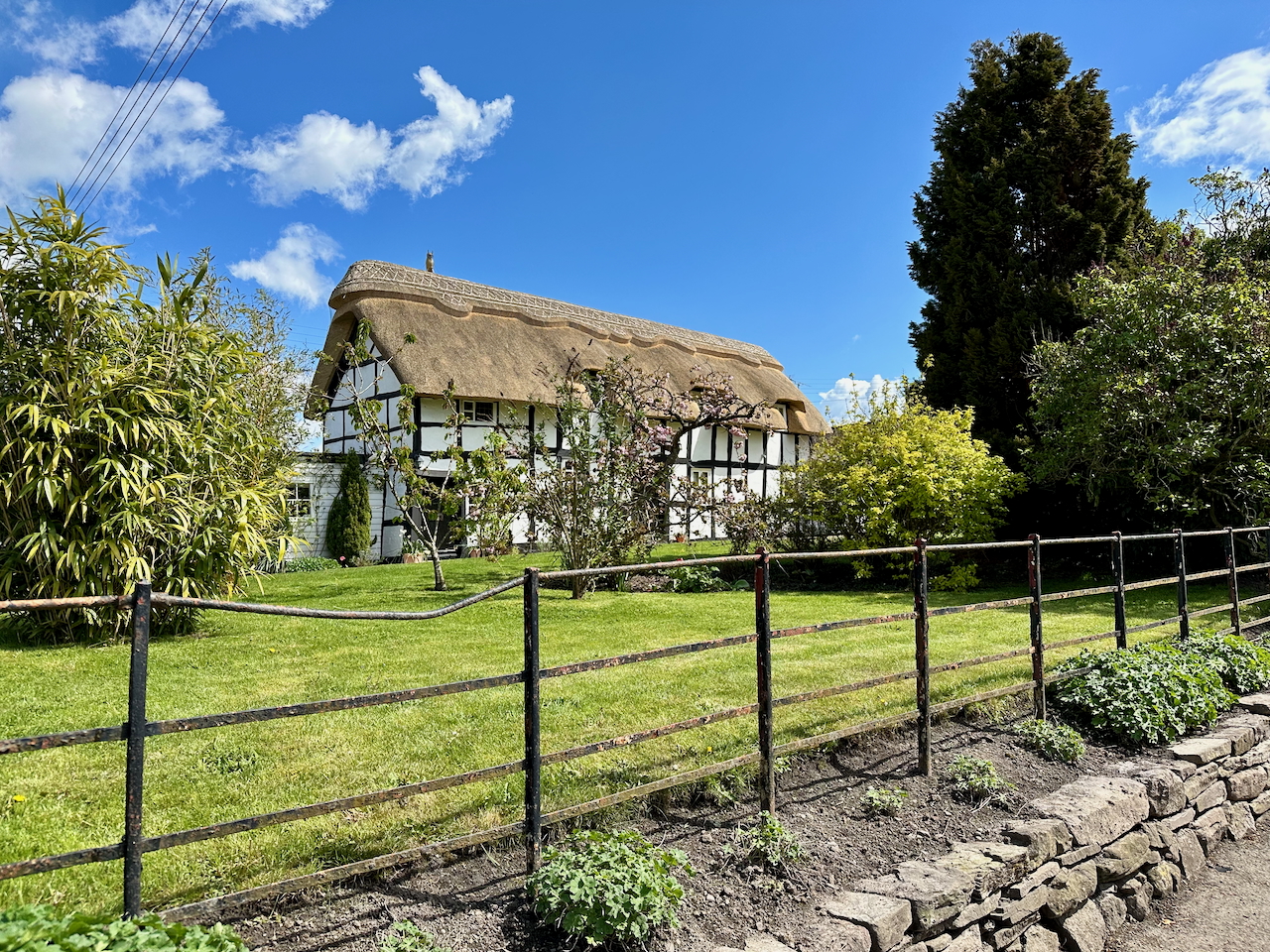
Being a US citizen who is used to adhering to the clear delineation between public and private land, the concept of England’s public footpaths is exciting because they lead me to places I might not otherwise get to see.
It’s a bit like a scavenger hunt where the goal is to find the next public footpath sign on my route while crossing obstacles from bridges to stiles and sometimes small sections of fence surrounded by barbed wire.

The beauty of England’s footpaths is that you don’t just walk—you encounter. Curious sheep. Blackberry bushes that offer fresh snacking from the vine. And even oddities like Bilbo Baggins gave that I stumbled on recently. It’s quite possibly someone’s pet, but this discovery was hidden alongside a path far out of view, and it intrigued me as it probably does others who stumble upon it. Perhaps that is the point and satisfying someone’s traditionally English humor.

There’s a gentle kind of freedom on these paths because they’re not polished or manicured. Sometimes they disappear entirely into tall grass, forcing me to trust my instincts that a stile will eventually appear. And each time, just when I think I’m lost, I pop out onto another road or a path that leads me further onto my journey.
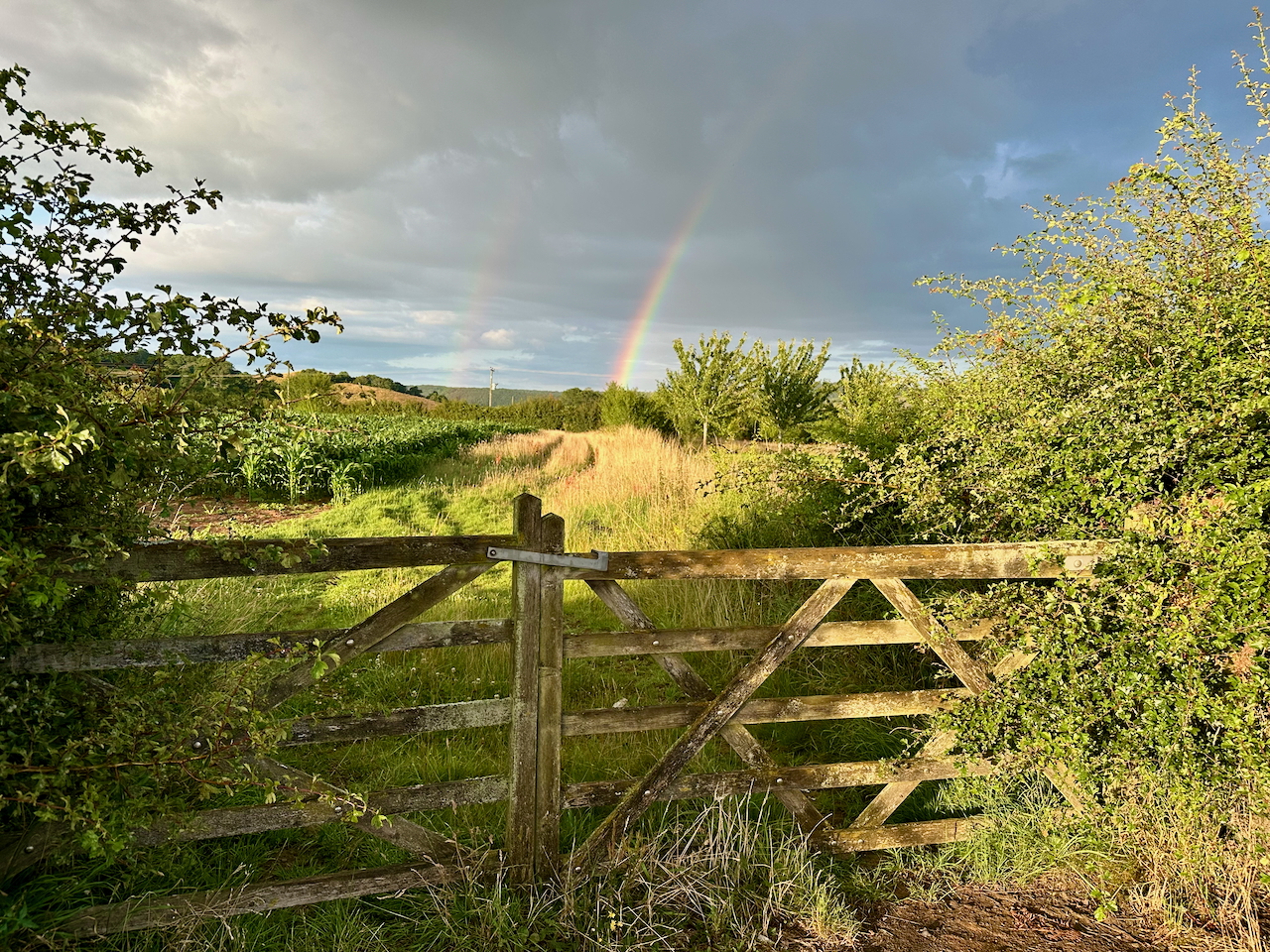
If you ever find yourself in England with a few hours and sturdy boots to spare, pick a public footpath to explore. Let it surprise you. Let it carry you through the kind of countryside that poets write about but rarely capture in full and know that your experience in doing so will leave a lasting impression of a side of England so many never get to see.

